Best Teacher Ever Since 1971: A Designer's Review
As a designer who spends more time at the hoop than away from it, I approach every new machine embroidery design with a mix of curiosity and skepticism. We have all seen those "vintage" style graphics that look great on a screen but turn into a thread-breaking nightmare once the needle hits the fabric. Recently, I got my hands on the Best Teacher Ever Since 1971 file to evaluate its potential for real-world application. This isn't just about whether it looks cute; it is about whether it holds up under the tension of a commercial project or a high-stakes personalized gift.
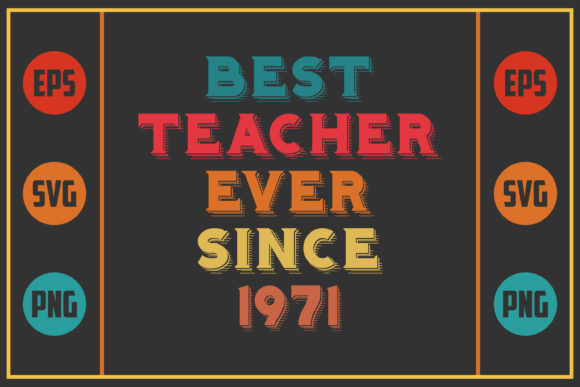
The first thing that strikes me about this Graphics asset is its mood. There is a specific warmth to retro typography that resonates deeply in the current market. The layout suggests a classic, slightly worn-in aesthetic that fits perfectly with the nostalgia trend dominating Crafts right now. However, since this purchase includes an SVG file intended for cutting machines like Cricut or Silhouette, as well as design suites like Adobe or Inkscape, we are looking at a vector-based foundation. For us embroidery professionals, this means the design is likely intended to be digitized by the user or used as a template for appliqué, rather than coming as a pre-digitized stitch file. This distinction is crucial for setting expectations before you start your embroidery project.
Visual Personality and Market Fit
The visual personality of Best Teacher Ever Since 1971 is undeniably strong. It speaks to longevity, experience, and a touch of humor. In a retail setting, this design screams "boutique quality." I can immediately picture this on a canvas tote bag design for a teacher appreciation week bundle or stitched onto a heavy-weight hoodie for a retirement party. The typography appears bold enough to command attention without being overly aggressive. For an Etsy seller or small shop owner, this kind of specific year-based customization is gold. It allows for hyper-personalization, which drives higher price points and customer engagement.
When considering the finished product, the clean lines of the SVG suggest it would translate beautifully into a satin stitch application if you choose to digitize it yourself, or as a precise cut file for heat transfer vinyl (HTV) layered over embroidery. The simplicity of the text ensures that the message remains legible even from a distance, which is vital for custom apparel meant to be worn at school events or staff gatherings.
Real-World Application Scenarios
Let's walk through a realistic scenario. Imagine a client comes to you needing a gift for a mentor who has been teaching since 1971. They want something durable, not just a paper card. You decide to create a custom sweatshirt embroidery piece. Using the Best Teacher Ever Since 1971 SVG as your base, you import it into your digitizing software. Because the source file is a vector, you have total control over the pull compensation and stitch angles.
I would recommend running this as a fill stitch with a satin border for the letters to give it that premium, raised look. On a cotton-blend sweatshirt, this design would sit flat and crisp. Alternatively, for a baby embroidery project—perhaps a onesie for a grandchild of this veteran teacher—you could scale it down significantly. The clarity of the vector file means that even when reduced, the curves of the numbers "1971" should remain smooth, provided your digitizing settings are tuned for smaller scales.
Another excellent use case is home decor. Picture this design stitched onto a linen pillow cover or a kitchen tea towel. The vintage vibe complements farmhouse or eclectic interior styles perfectly. For these applications, the design acts as a focal point. It transforms a generic store-bought item into a handmade product with soul. If you are selling design assets or finished goods, this versatility expands your target audience beyond just educators to anyone celebrating a milestone anniversary or birthday.
Technical Considerations and Fabric Challenges
While the design concept is solid, execution requires careful planning. Since we are working from an SVG that needs to be translated into stitches (or used as a cut file), the responsibility for stitch density lies with you. If you digitize this for a cap or hat, remember that curved surfaces distort text. The phrase "Ever Since" might need slight arching adjustments to ensure it doesn't look like it's sliding off the front panel.
Fabric texture is another critical factor. On thick, textured fabrics like terry cloth or wool blends, fine details can get lost. If you plan to use this on such materials, I advise increasing the stroke width of the letters during the digitizing phase. Conversely, on thin, stretchy fabrics like performance tees, you must be wary of puckering. A high-density fill stitch on a lightweight poly-blend can cause the garment to warp. Always test your stitch density on scrap fabric first.
Dark fabrics present their own challenge. If you are stitching white thread on a navy blue jacket, ensure your underlay stitches are sufficient to prevent the background fabric from peeking through the top stitches. This is where the quality of your digitizing determines the difference between a professional commercial embroidery job and an amateur attempt. Also, consider the hoop size. While the text is relatively compact, ensure your hoop allows for enough margin around the design to maintain proper tension, especially if you are adding decorative elements like stars or apples around the text later.
Enhancing Value and Professionalism
Incorporating Best Teacher Ever Since 1971 into your product line can significantly boost perceived value. Customers trust designs that look intentional and well-crafted. When a buyer sees clean lettering and consistent stitch direction, they associate that quality with your brand. This builds customer trust and encourages repeat business. For holiday embroidery seasons, having a library of specific year-based designs allows you to offer quick turnaround times for last-minute gifts, a huge competitive advantage.
Furthermore, using this design in your printable mockup photos can help visualize the final result for online shoppers. High-quality previews that show the texture of the thread against the fabric can increase conversion rates. Whether you are creating an embroidered patch for a staff lounge or a detailed apron for a craft fair, the professionalism of the final output reflects directly on your reputation as a maker.
Designer Notes for Success
Before committing to a full production run, here are my practical recommendations for working with this file:
- Test First: Always stitch out a sample on the exact fabric you intend to use. Thread tension behaves differently on fleece versus denim.
- Check Contrast: Ensure your thread colors pop against the fabric. High contrast improves readability, especially for the year "1971."
- Stabilizer Selection: Match your stabilizer to the fabric weight. Cut-away stabilizer is often safer for garments that will undergo frequent washing, ensuring the design doesn't sag over time.
- Licensing Verification: Since this is a digital download containing an SVG, double-check the license terms regarding commercial use. Confirm whether you can sell the digitized embroidery file itself or only the physical small shop product created from it.
- Mockup Testing: Create black and white mockups to check the balance of the design without the distraction of color. This helps identify if any areas look too heavy or too light.
In conclusion, Best Teacher Ever Since 1971 is a versatile and emotionally resonant design asset. While it requires the extra step of digitizing or converting for embroidery machines, the control it offers allows for a highly customized finished product. With careful attention to fabric choice, stabilizer, and stitch parameters, this design can become a staple in your portfolio, delighting teachers and students alike for years to come.